
BUILDING CLEAN WATER SYSTEMS
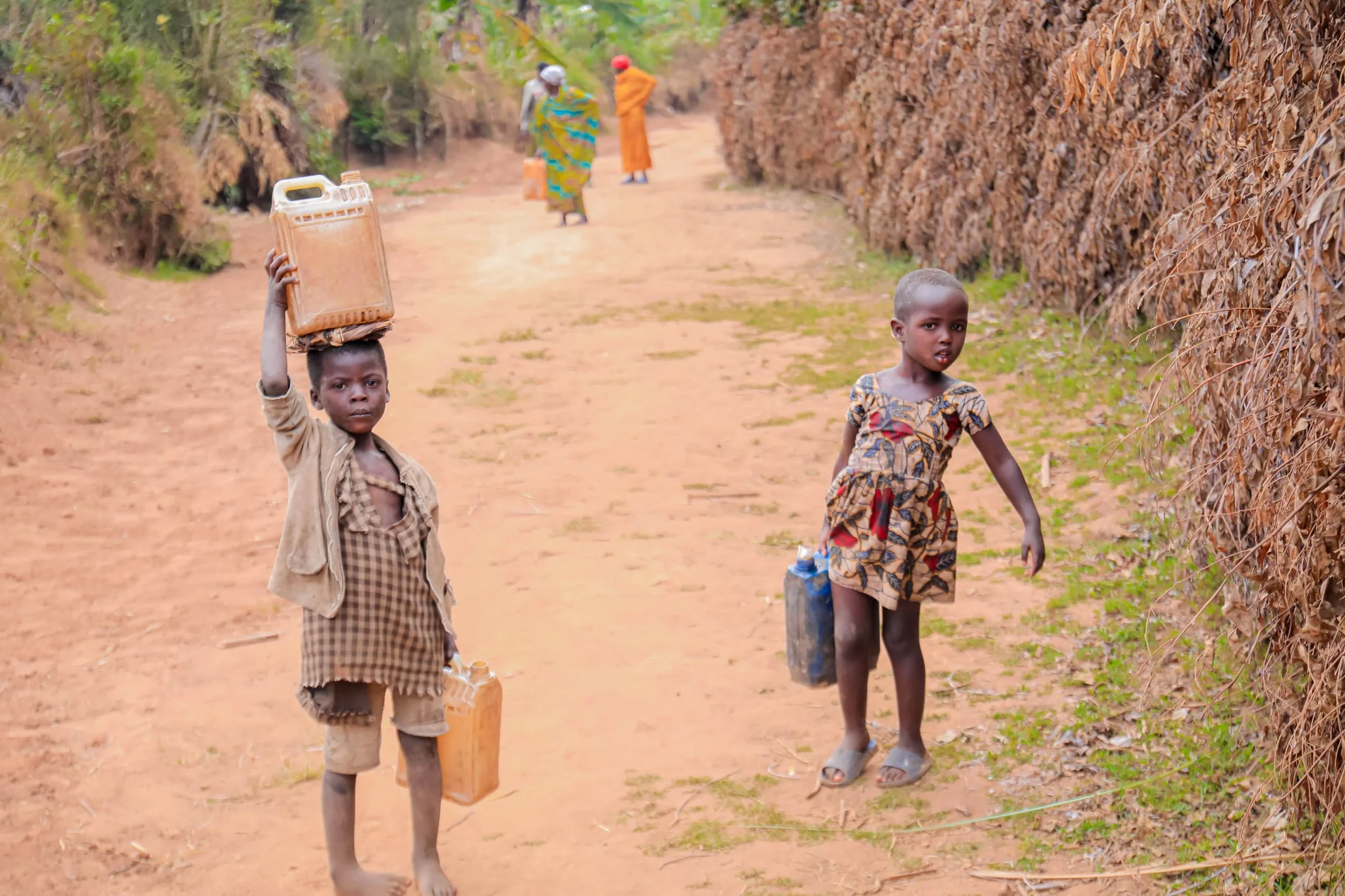
Clean water is foundational to community health and economic growth. But the systems must work long-term to provide lasting change. Our approach is intentionally low-tech, sustainable and remarkably effective. By working with Burundi's natural landscape, our gravity-fed water systems move clean water from protected spring sources to communities miles away—without pumps or electricity.
Simple by design. Built to work for generations.
How our systems work:

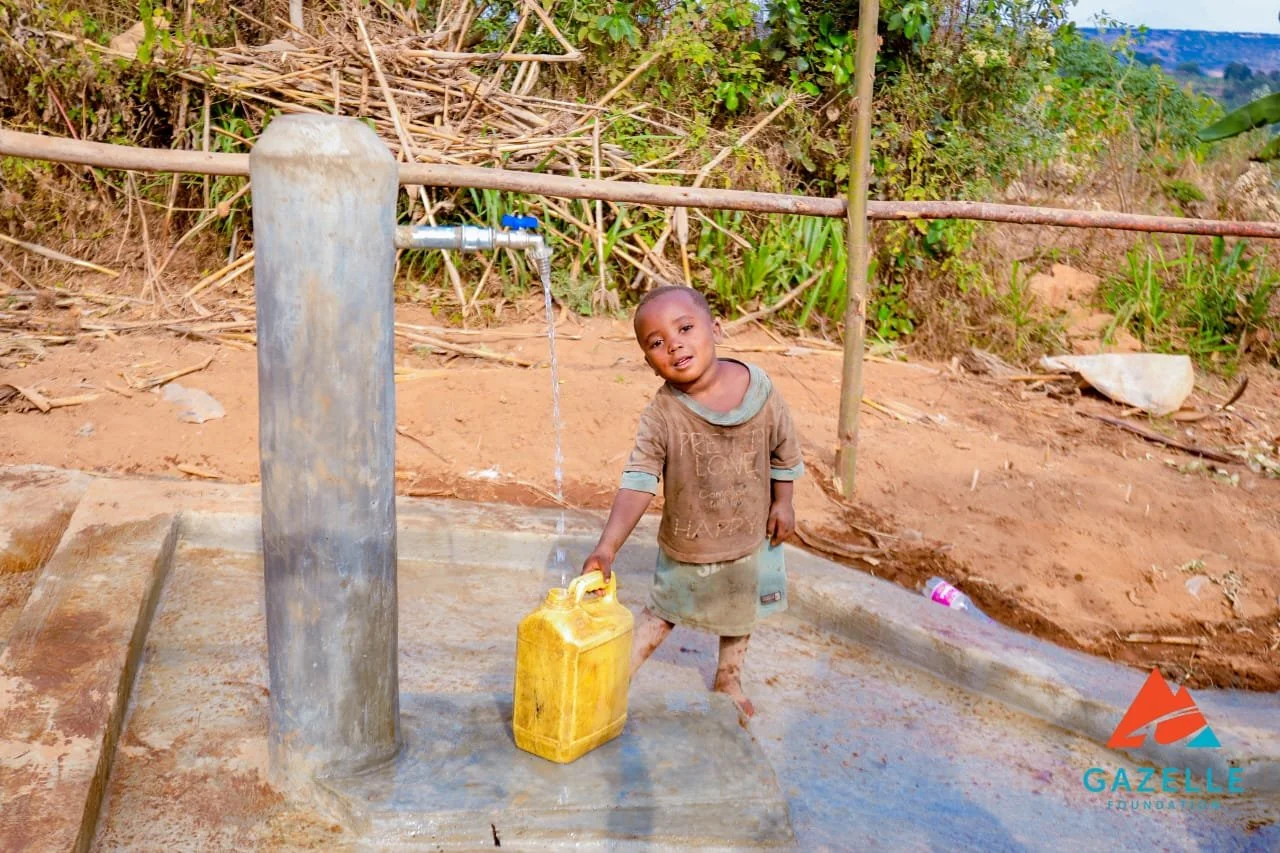
Water is captured from a hilltop spring source before it can become contaminated. It is filtered in the collection chamber and uses gravity to flow onward. Entrenched PVC pipe carries water to tanks, and to multiple tap stands. Tap stands are strategically positioned within easy walking distance to schools, churches, community centers, and other central locations to maximize access points for residents. Water is available for free to all people regardless of the person’s tribe or religion.
Rendering of a typical water system during construction:

The Journey Behind Every Drop
>> Now see how it gets built. Follow the journey from water source to tap stand as a gravity-fed water system comes together.
What it Takes To Build A Water System
Building a water system is no simple task. Miles of pipeline, changing elevation and multiple points of construction all have to work together. Our proven seven-step process makes it possible.
Discover the 7 steps, and the engineering your support makes possible. →
SustainabLE BY DESIGN
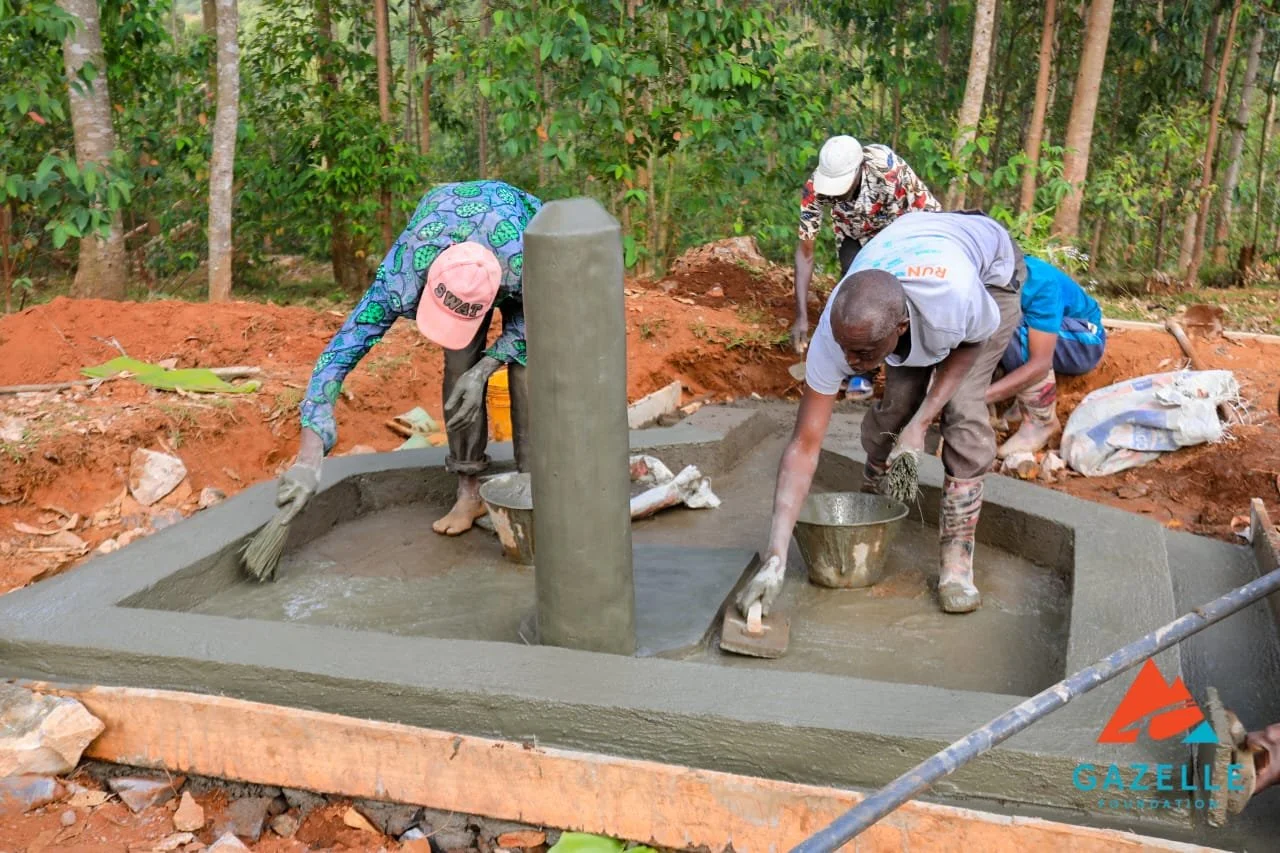
On average, we employ 100-110 local workers to help with the water system construction. The workers are all residents of the community, using their earnings to purchase additional livestock, repair homes, or send their children to school. Meet our project manager.
We also purchase supplies and materials locally, further boosting the community’s economy. The average Burundian family lives on less than $600 annually, so our infusion of work in the area aids locals in providing for their families and becoming productive members of their community. Hiring local workers for the projects also develops local knowledge for upkeep and maintenance, as the ownership of all water systems are turned over to the community upon completion. See completed water systems.
>> Watch the video to see how our water systems are built to last for generations.