
PROJECT KICKOFF
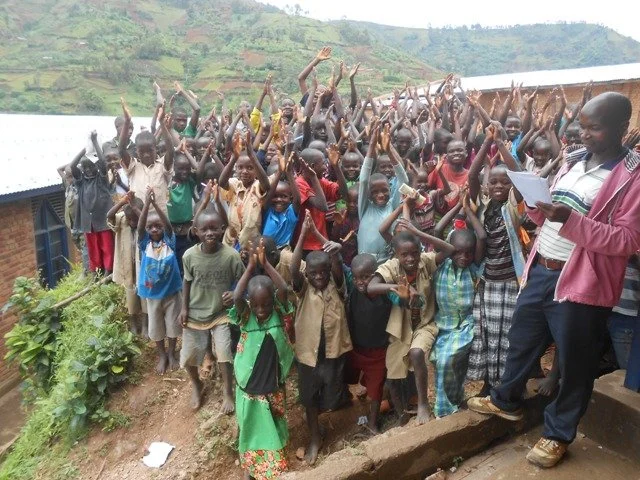
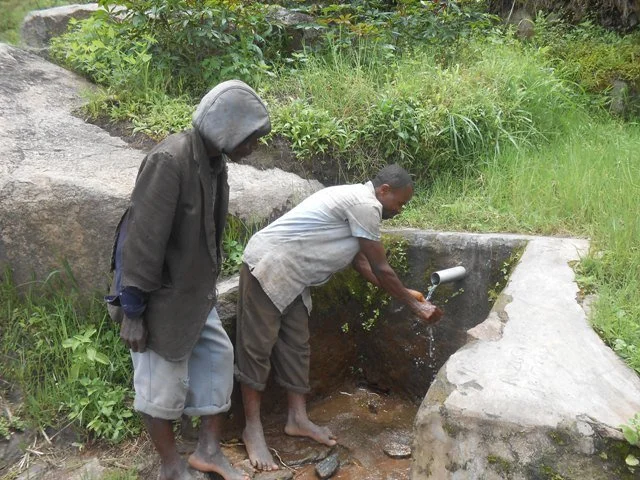
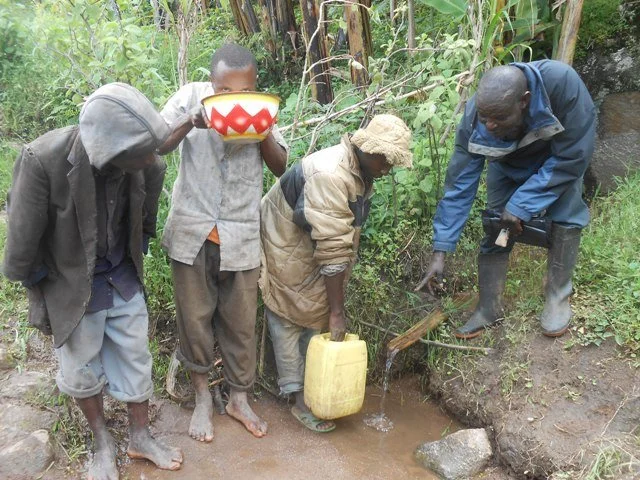
We are pleased to announce that construction on the Muryamurebe-Kigembe water system #39 began on July 1, 2017, and was completed on November 1st, 2017. At the outset the 2,800 residents of the community, located in the Musenyi Colline of the Bururi Province traveled significant distances on foot to natural springs and pools for water that was not safe to consume.
Preventable, water-borne diseases are the leading cause of death in Burundi, which has the 12th highest child mortality rate globally. Communities with Gazelle Foundation water systems have drastically reduced, and in some cases eliminated, the presence of water-borne illnesses among the families that live in them.
Thanks to our generous supporters, the Muryamurebe-Kigembe water system now provides clean water to 2,800 people
Project Overview
Construction dates: July 1, 2017 to November 1, 2017
Located in the Musenyi Commune
Scope: 7.1 km pipeline
2 storage tanks
12 tap stands
Employees: 50 including masons and plumbers
Provides clean water to 2,800 people
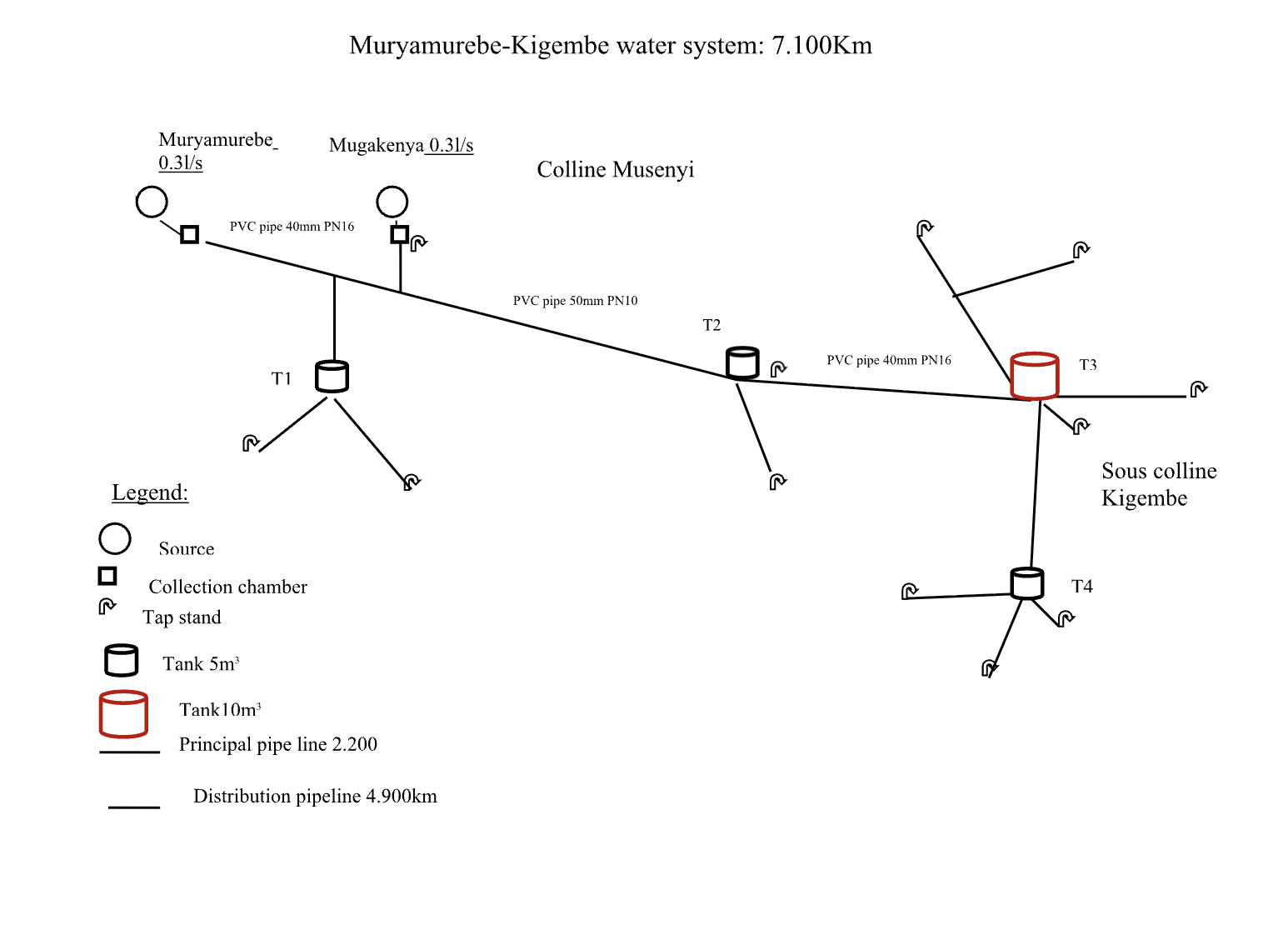
Schematics of the Muryamurebe-Kigembe water system #39 show 7.1 km of pipeline connecting storage tanks to 12 tap stands. This project serves over 2,800 people clean water. Discover a comprehensive look at the engineering and milestones you make possible
Project Schematics

The first phase of construction is transporting supplies to the work site. Transporting rocks to the construction site is not easy in Burundi. There’s no Home Depot or Lowes, and trucks can only get the materials so far. Meaning rocks, PVC, and bags of concrete are often times transported by hand, or wheelbarrow, to the construction location.
How It Works
Water is captured from a source before it can become contaminated. It is filtered in the collection chamber and flows onward. Entrenched PVC pipe carries water to tanks, and to multiple tap stands. Tap stands are strategically positioned within easy walking distance to schools, churches, community centers and other central locations to maximize access points for residents. Water is available for free to all people regardless of the person’s tribe or religion.
Follow our progress on Facebook and Instagram for the most up-to-date details.

See a rendering of a typical water system and learn more about how we build water systems.
Source Excavation: Digging is done by hand


Economic Benefits of Clean Water Investment
According to the World Health Organization, every dollar invested in clean water yields $4 -$12 in economic returns. In Burundi, building water systems provides jobs and stimulates local economies in a country with one of the highest unemployment rates in the world, and where the average family lives on less than $600 a year.
This project benefits the local economy because the construction of the water system provided 50 locals with employment. Employed locals benefit from this project because they gain invaluable skills such as organizing construction plans and building a sustainable water system.
On The Ground With Jean Bosco
While we couldn’t do the work we do without our supporters here at home, we also rely on our dedicated partners on the ground in Burundi. Jean Bosco Ndabaniwe, our long-time project manager, is a critical part of the team bringing clean water to those that need it most. He has a front-row seat to the beneficial impact on local economies, health, and education - all due to clean water.
Without access to clean water, people must spend valuable time collecting water for daily use, and they are sick more often, due to preventable water-borne diseases. Both of these have a disproportionate impact on children, whose school attendance suffers because they are needed at home or are simply ill. With clean, accessible water, these barriers to education disappear.
The availability of clean water and the resulting improvements in health and education begin to reverse the cycle of poverty. According to the World Bank, returns on education investment are the largest in Africa over any other continent, and each additional year of schooling raises earnings by 11% for boys and 14% for girls.
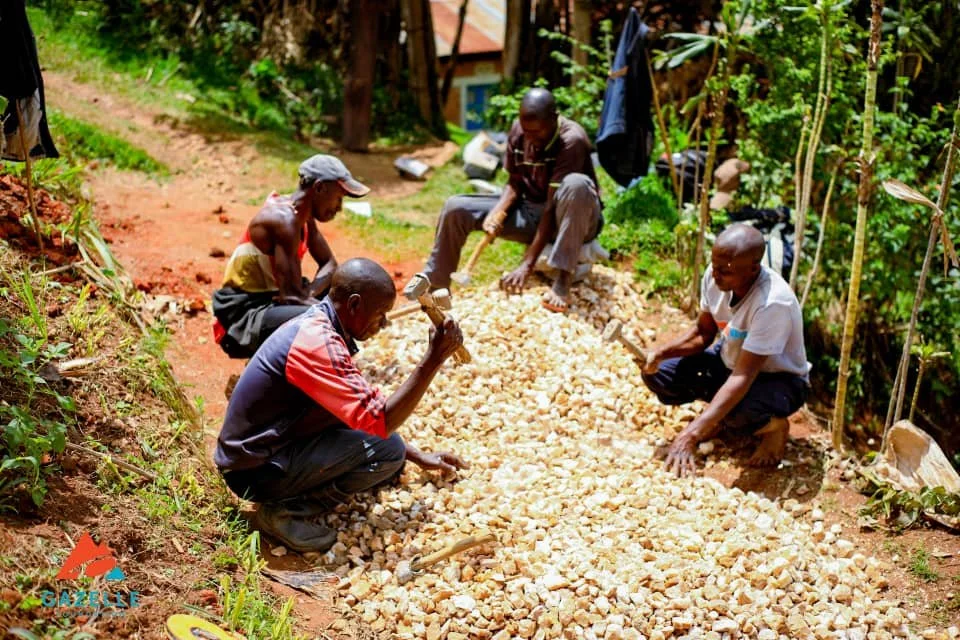
The average Burundian family lives on less than $600 annually, so our infusion of work in the area aids locals in providing for their families and becoming productive members of their community. Hiring local workers for the projects also develops local knowledge for upkeep and maintenance, as the ownership of all water systems are turned over to the community upon completion.
Project Updates
Interim Progress Update 1
Initial materials purchased, site prepared, trenching begins
Secondary materials purchased, trenching continues
Materials purchasing complete, tap stands nearing completion
Pipeline in place, all pipes and trenches covered
Landscape restored, all work complete
SYSTEM COMPLETION
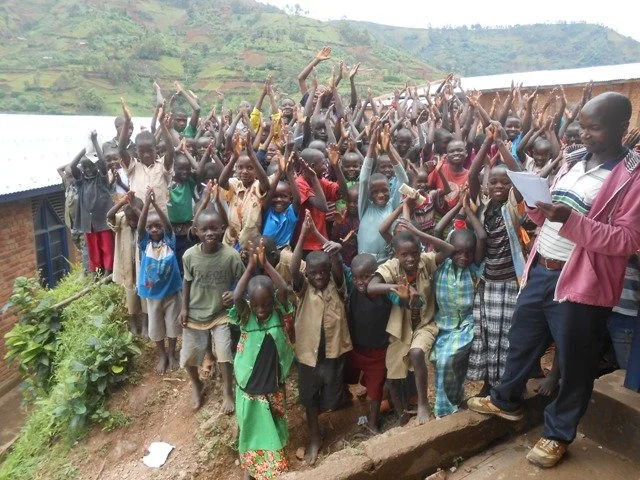
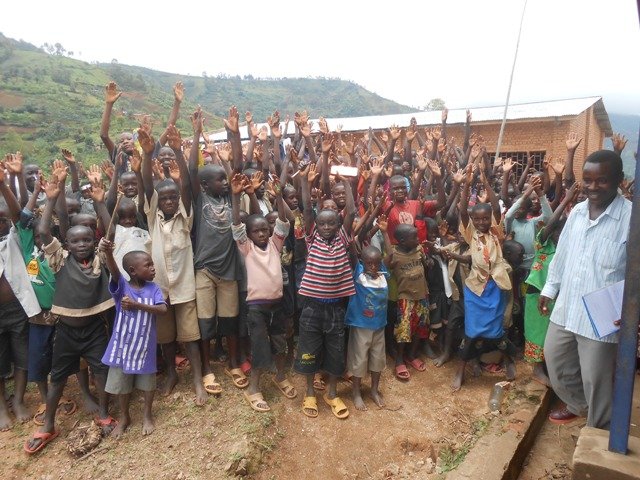
The Muryamurebe-Kigembe water system was completed on November 1st, 2017. It serves 2,800 people clean water. Construction of the system provided work for 50 local residents.
Completion of the Muryamurebe-Kigembe system brings us 2,800 people closer to achieving our goal of providing every person in Burundi with clean water, the highest quality of life, and hope within reach.
One of the key components of our work is the handoff of the water system. Upon completion, we turn ownership and stewardship of the system over to the community. The local workers employed to build our systems have the maintenance knowledge that allows for greater long-term viability and sustainability of our systems. Read more about the handover.
JOIN OUR MISSION
This project was funded by wonderful supporters like you. We thank these generous individuals for changing the lives of the people in this community through access to clean water.
Our next water system depends on you! We have 36 months of shovel-ready projects lined up - all we need is your support. Help us give the gift of clean water to those that need it most.