
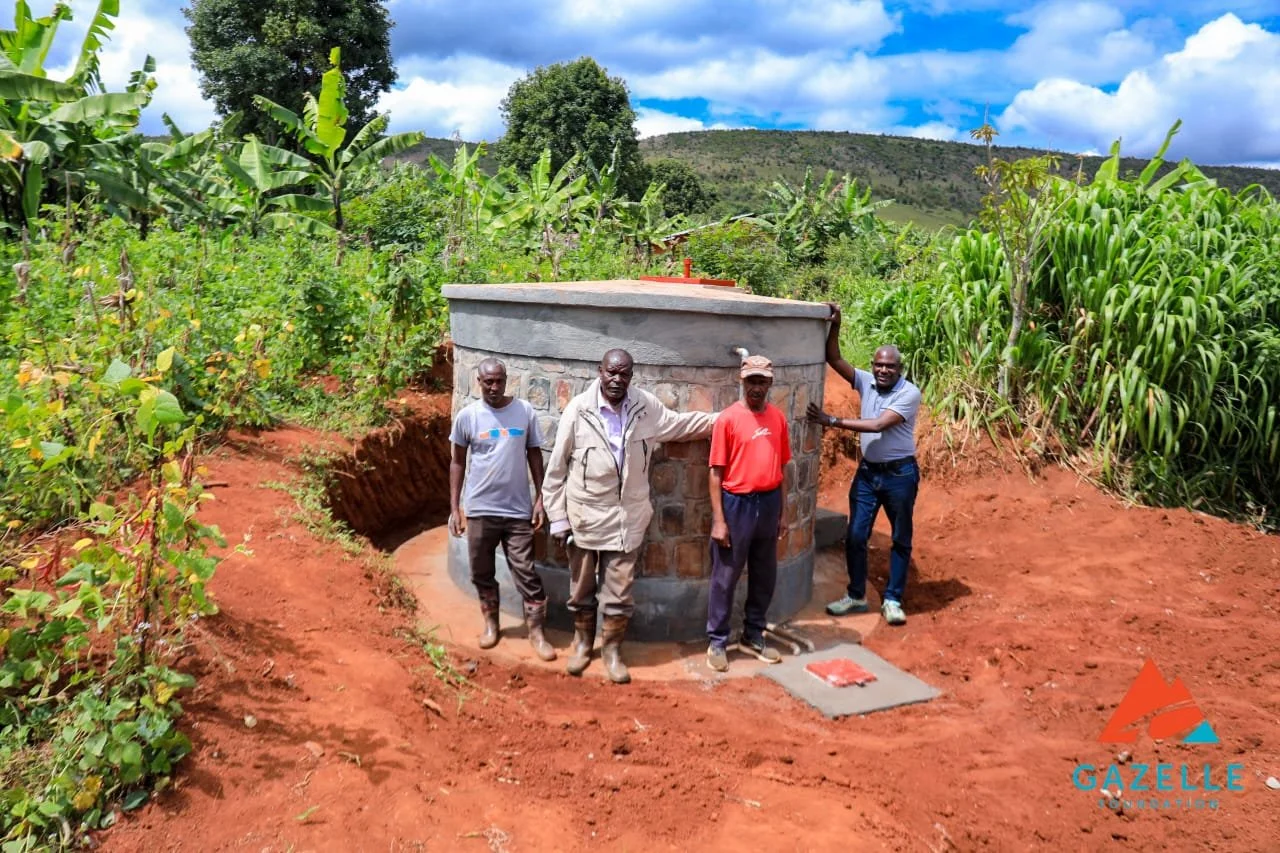
This Father’s Day, we’re thinking about the quiet hopes fathers carry and what they teach their children, especially when clean water is hard to find. Gazelle Foundation Co-Founder Gilbert Tuhabonye remembers many things he learned from his father while growing up in Burundi, including how to care for his family’s cattle, how to build a strong fence, and the joy of hunting.
A father wants his children to be healthy, to have time for school, and to grow up with safety, possibility, and dignity. In communities without reliable access to clean water, those hopes can be shaped by the daily reality of finding and carrying water long distances.
We asked our Project Manager and Chief Engineer Jean Bosco Ndabaniwe what he observes about fellow fathers as clean water systems are constructed step by step in rural Burundi.
Q&A With Our Chief Engineer in Burundi
How does clean water close to home improve life for fathers and their families?
Before clean water comes, a father wakes up worrying. His wife and children walk hours each day to fetch muddy water from the swamp. That water makes the children sick with diarrhea and other illnesses. As a father, he feels helpless because he cannot protect his family.
With clean water just near their home, life gets much better, and children are healthy.
How do fathers and community members help build and take care of the water system?
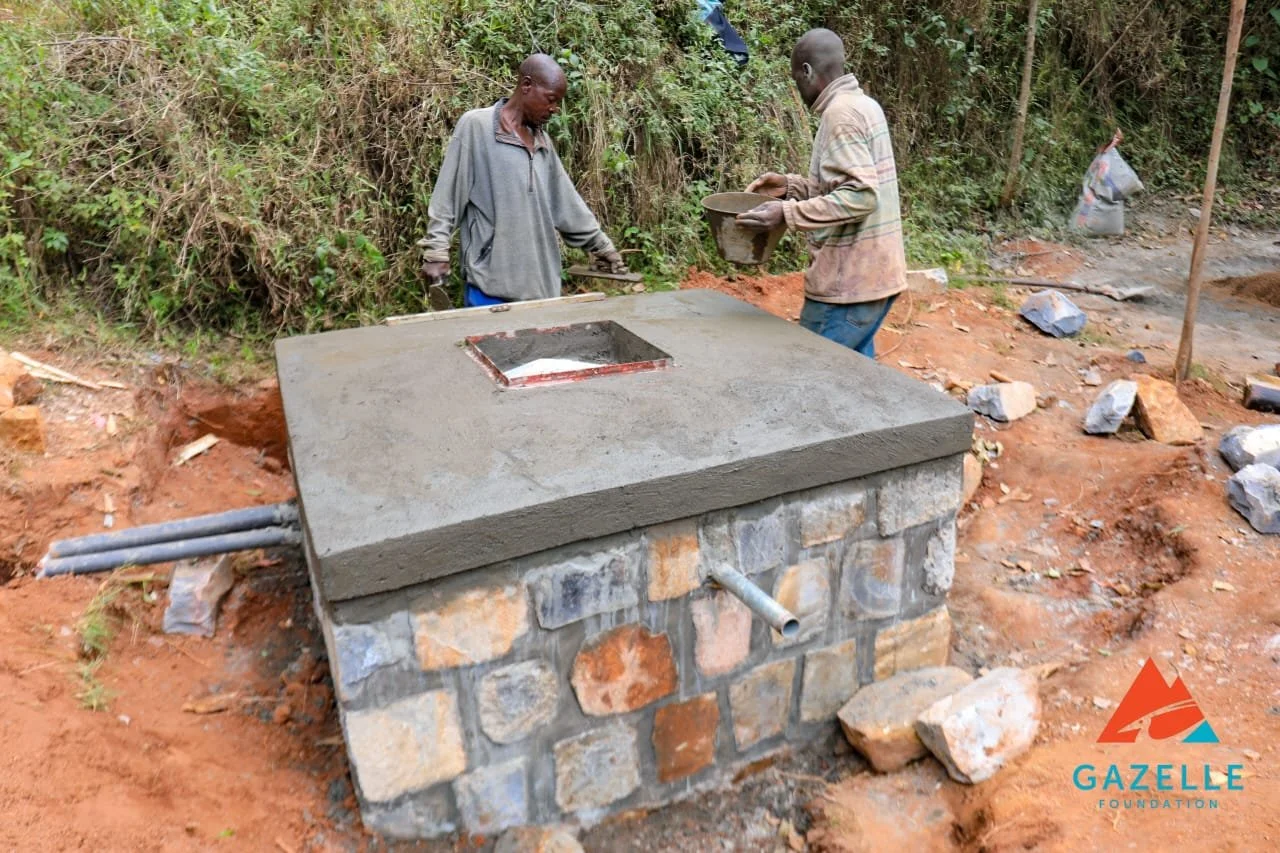
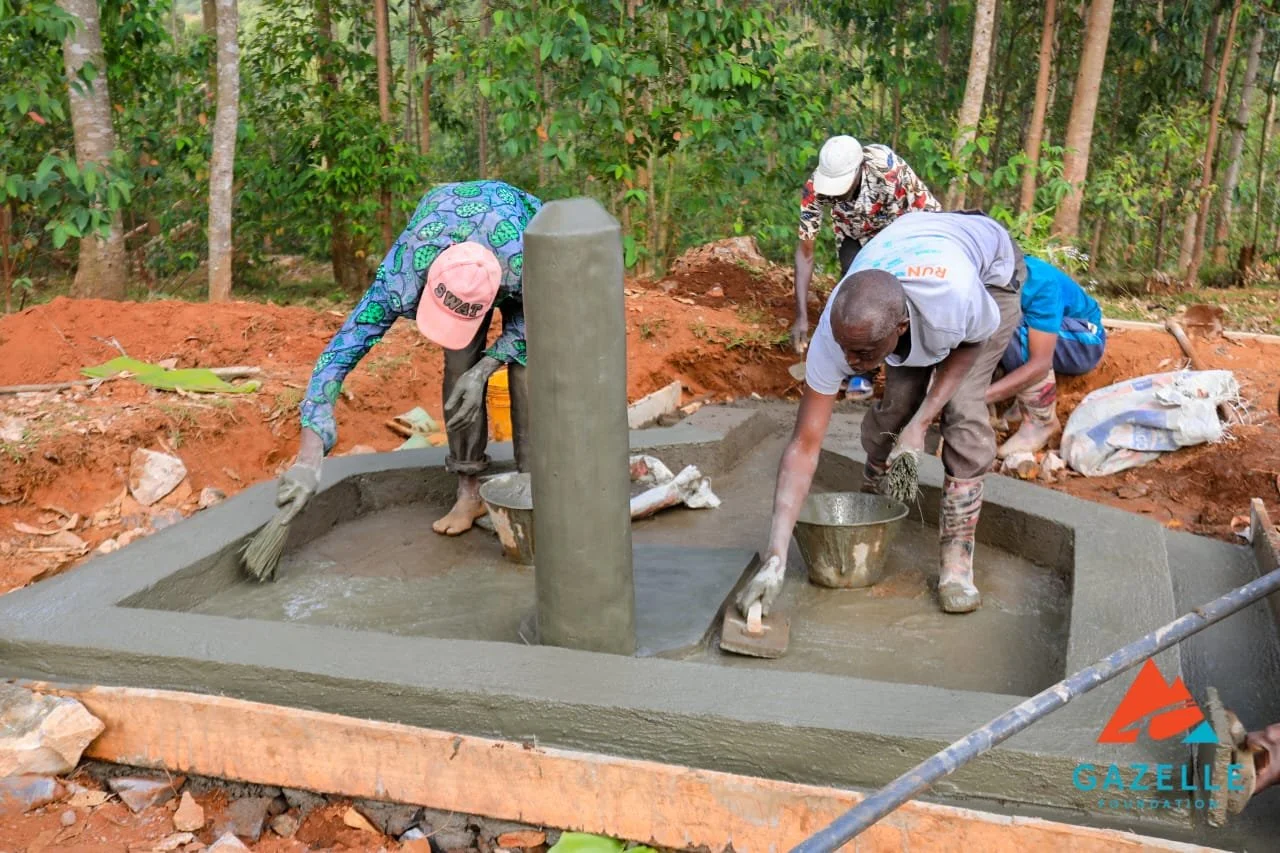
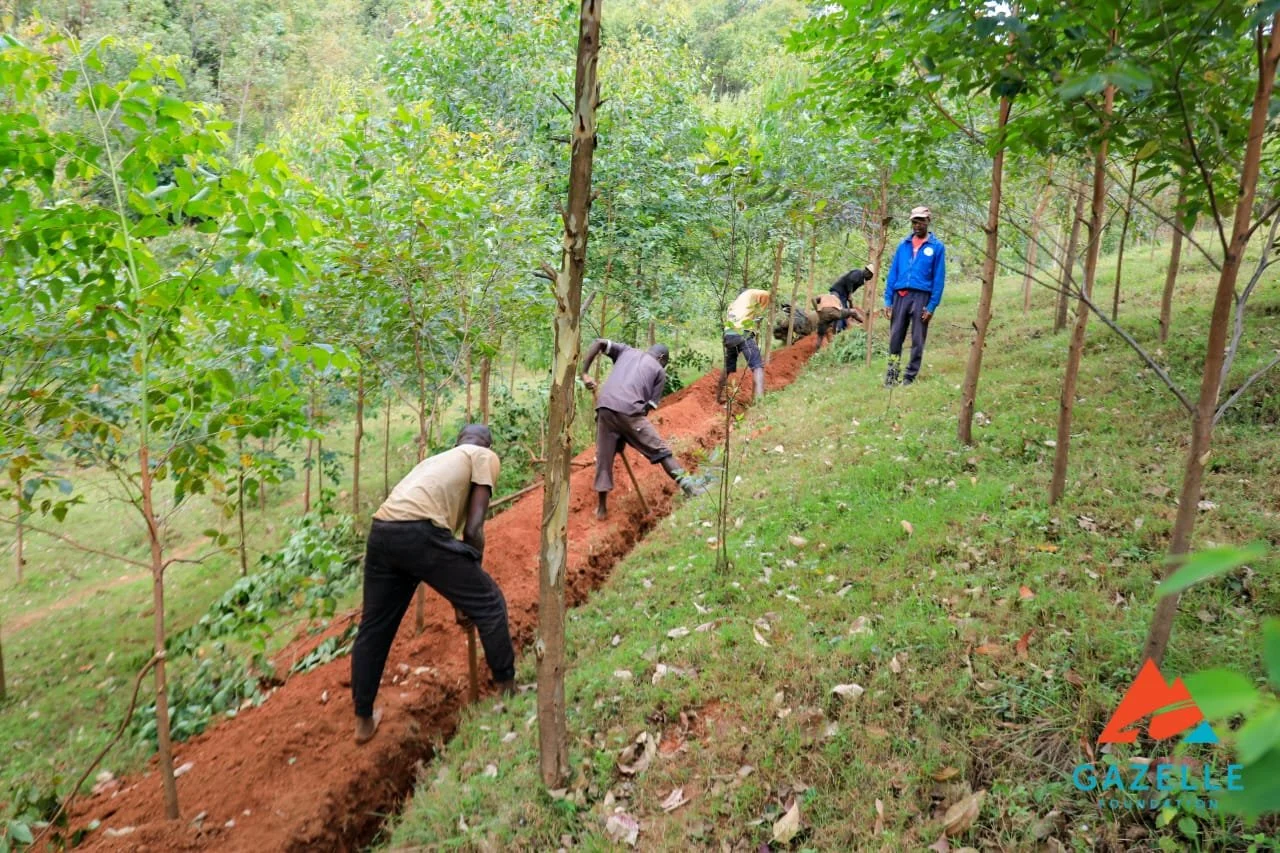
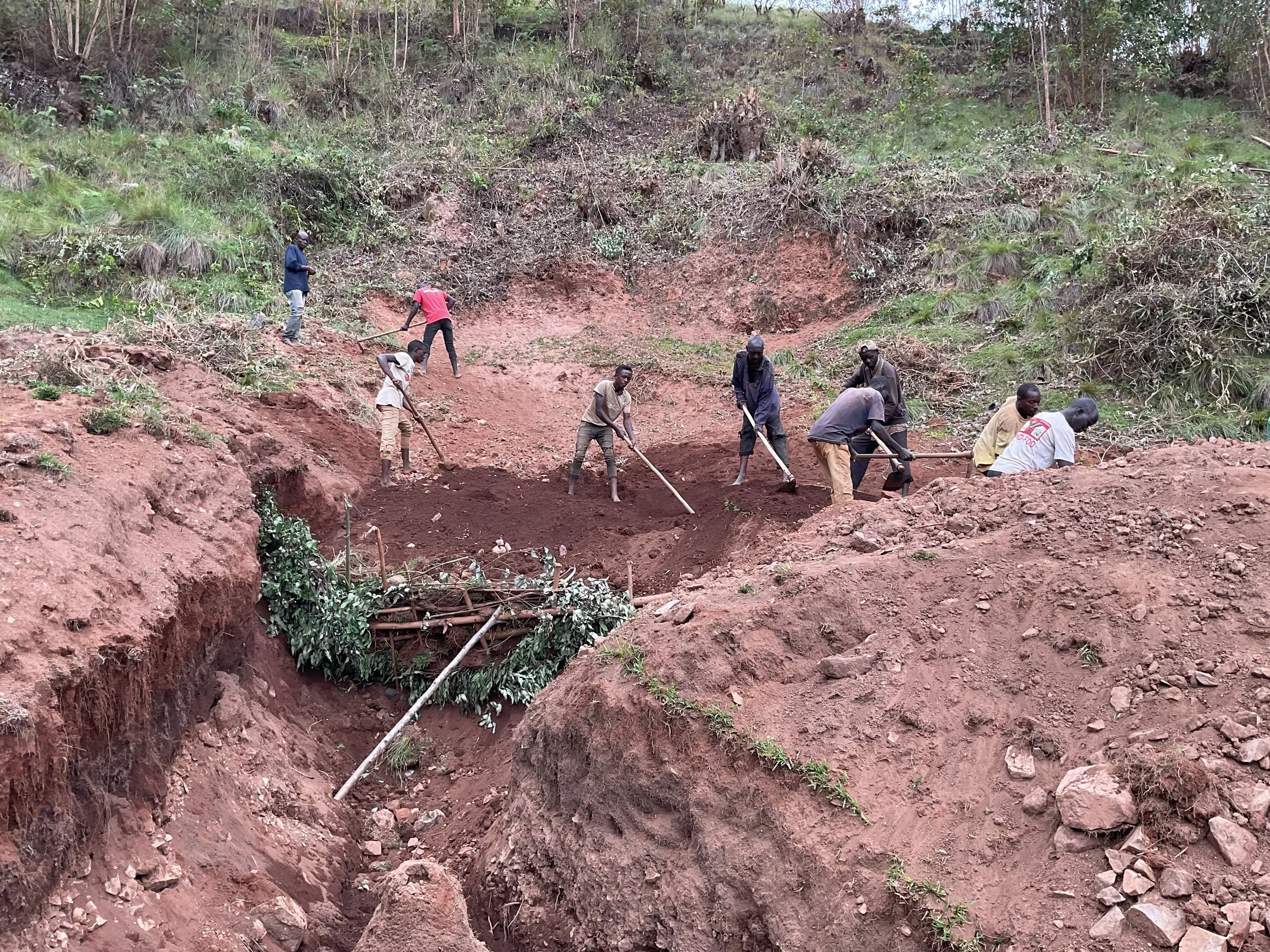
Fathers build the water system with their own hands. The men in the village dig trenches for the pipes. They carry the materials from where the truck dumped them to build the tanks and tap stands. Then a committee of fathers checks the tap regularly. If a pipe breaks, they fix it together with the local administration. They know that the water system does not belong to the Gazelle Foundation, but it also belongs to them.
What hopes do fathers have for their children?
Fathers hope that their children may become important people in Burundi. First, they hope for their good health. When the water was dirty, many children got sick, and schools noticed that the number of students dropped. A father hopes that no more children will spend their mornings carrying heavy jerrycans full of contaminated water.
What do you wish people in Texas knew about building water systems in Burundi?
I wish people in Texas knew that many communities in Burundi still face challenges accessing clean water, which requires hard work, resources, and community involvement to make them sustainable.
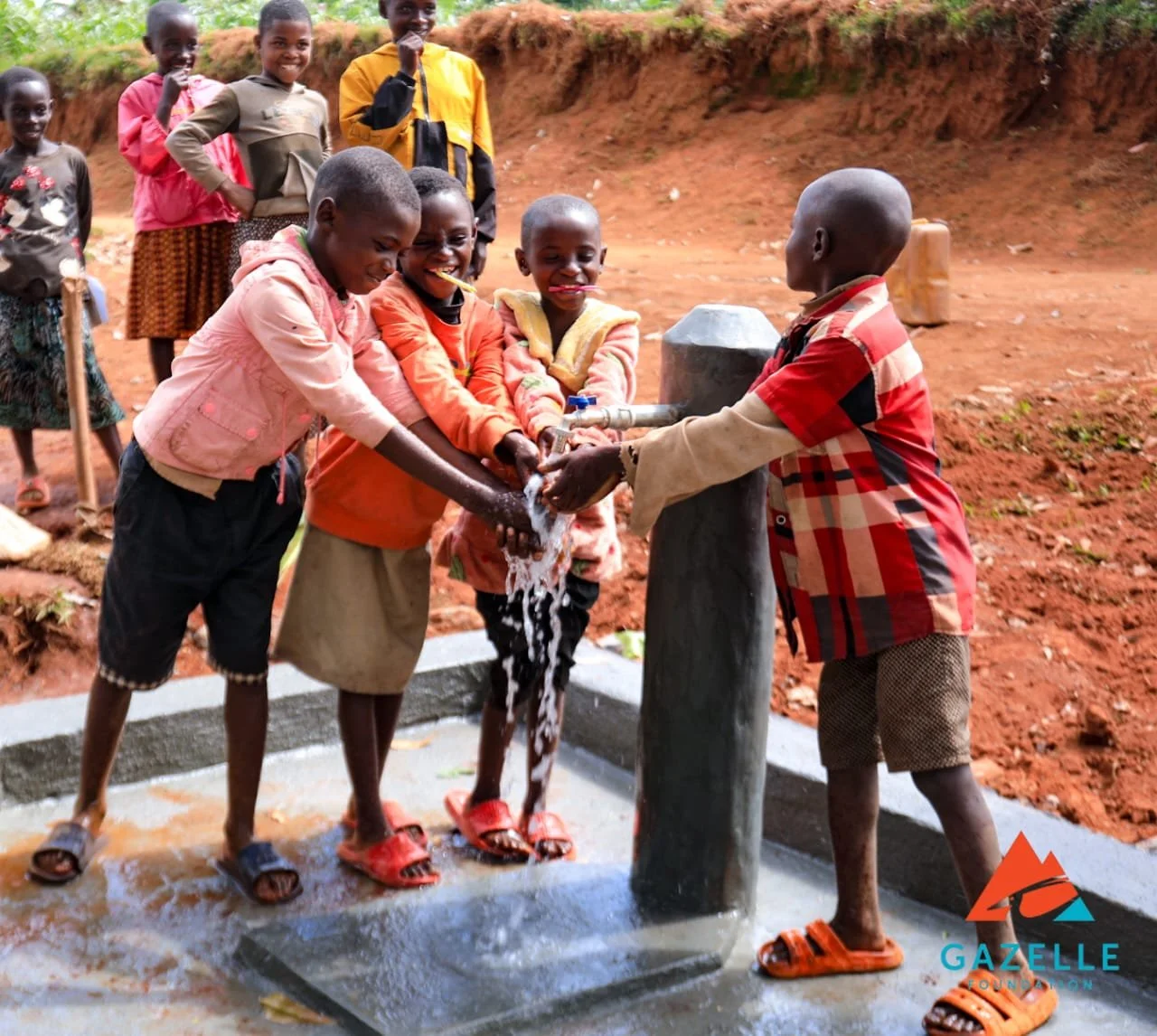
Children celebrate a new water tap stand located close to the Musebeyi Pentecost Church. The walk to fetch clean water is so much shorter for them now.
Every clean water system completed in partnership with a community in Burundi eases an unrelenting burden not only on fathers, but also the entire family and larger community. Close access to clean water supports better health and gives families more time for school, work, and everyday life.
In honor of the fathers, grandfathers and father figures who carry so much, please consider a gift to help bring clean water to communities in Burundi.
Continue Exploring Burundi & Clean Water
Colonized by Germany and later Belgium, much of the Republic of Burundi is at high elevation with fertile hills, dotted with farmsteads, small herds of the Akole-Watusi cattle, crops of sweet potato, maize, banana, beans, and potatoes. Learn how clean water systems built in partnership with rural communities transform lives, bringing hope and peace.
Learn the seven steps we take to build a low-tech, spring-fed clean water system
Find out how communities maintain their water systems
See what Burundians say about how life changes with close access to clean water taps
Everyone Deserves Clean Water
Water is everywhere in this part of Burundi, but it is often not clean.” ~Gilbert Tuhabonye
Families like Gilbert’s in Burundi need us and we need you. Join our mailing list, get involved, and help us transform lives in Burundi with an online gift in any amount.
The Gazelle Foundation is a registered 501(c)(3) non-profit organization based in the United States.
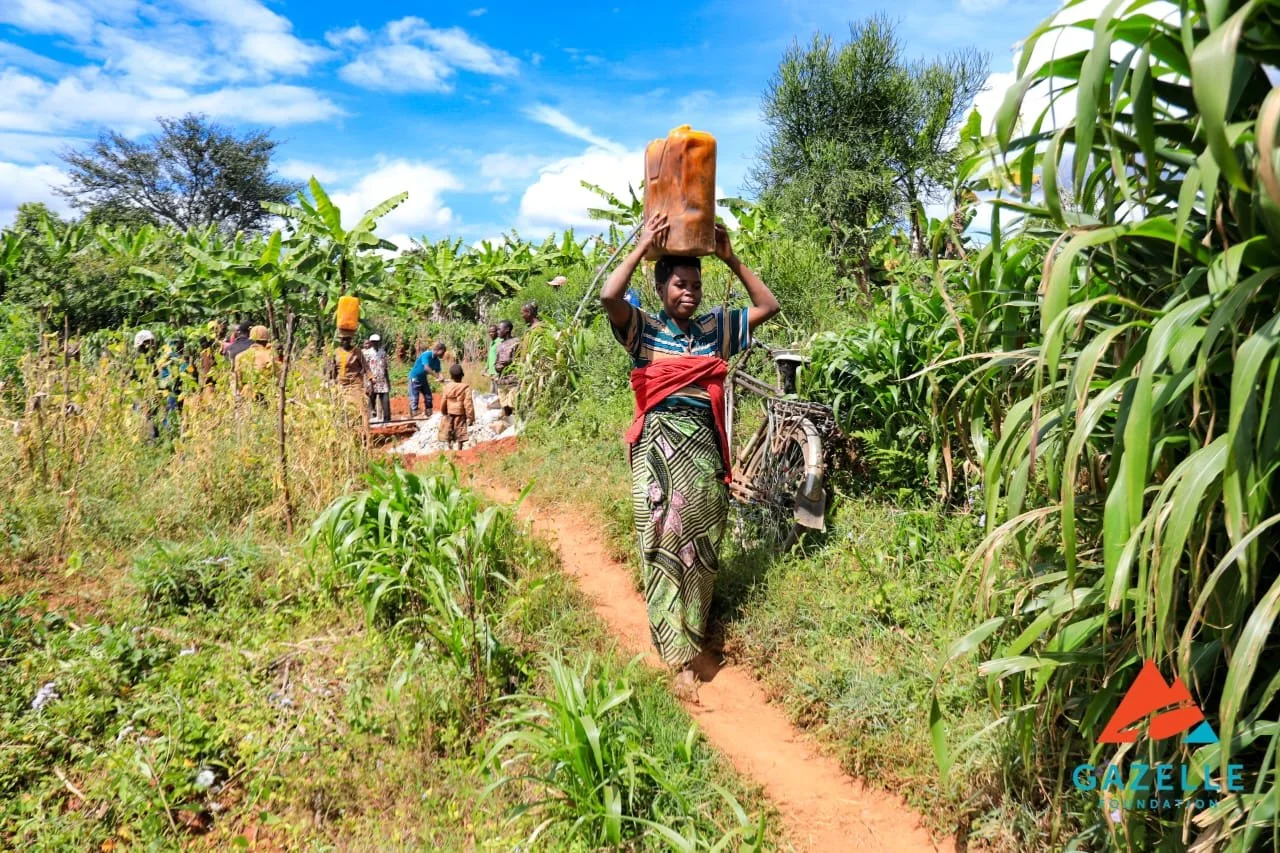
Water systems we build in partnership with local communities reduce the walk to clean water from 4 miles to 400 meters, about a lap around a running track.