
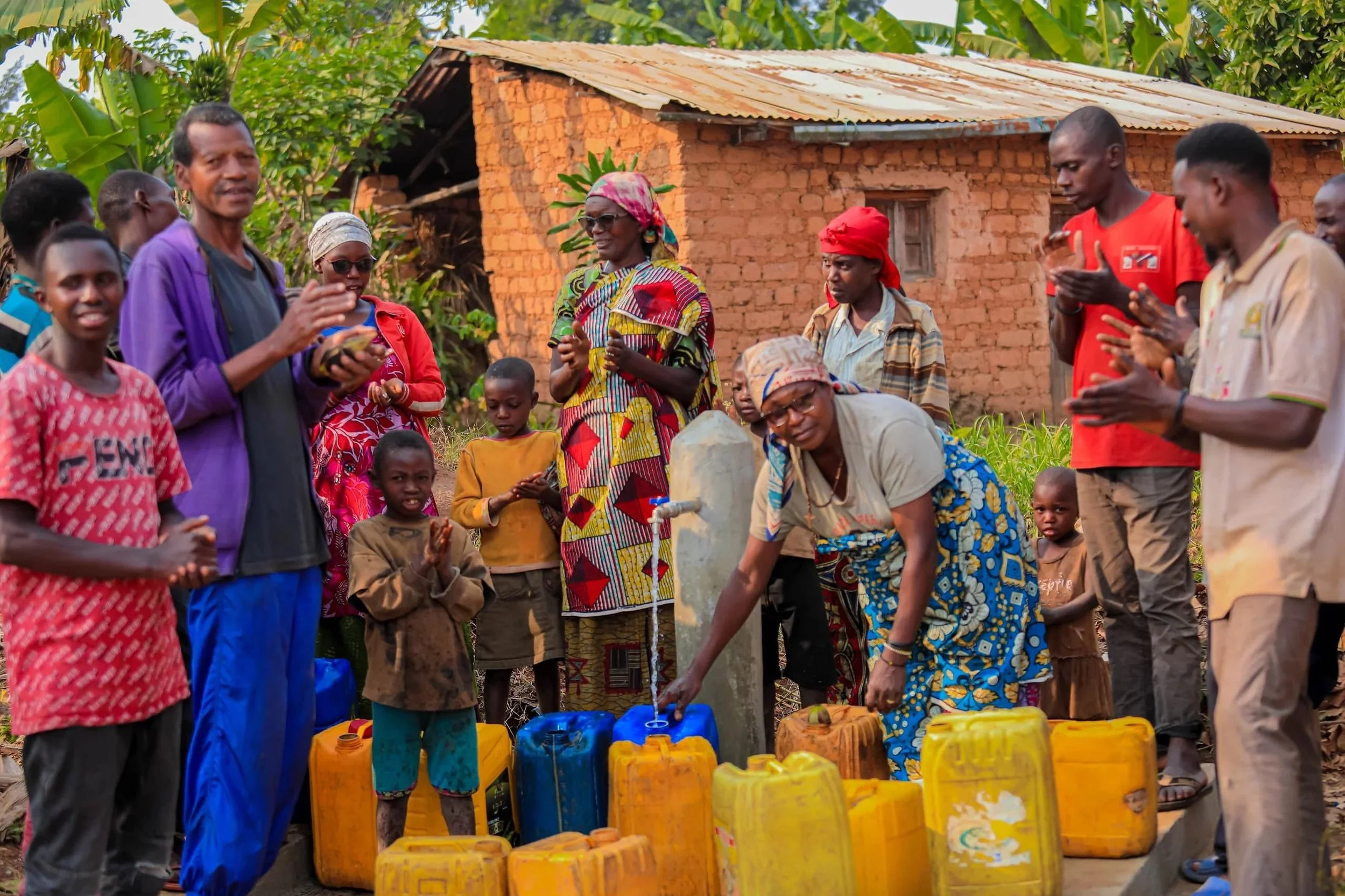
The planning, skill and teamwork behind building lasting water systems in Burundi
Building a water system that lasts takes more than pipes, tanks, and concrete. It takes careful planning, technical skill, hard work, and strong leadership to bring it all together. Onsite Project Manager Jean Bosco Ndabaniwe leads that work—managing crews, engaging community members in construction, and making sure local people gain the knowledge they’ll need to maintain the system after it is handed over. Community participation isn’t an extra step; it’s fundamental to a proven model built around local responsibility and long-term success.
Bosco takes us behind the scenes of how it all comes together.
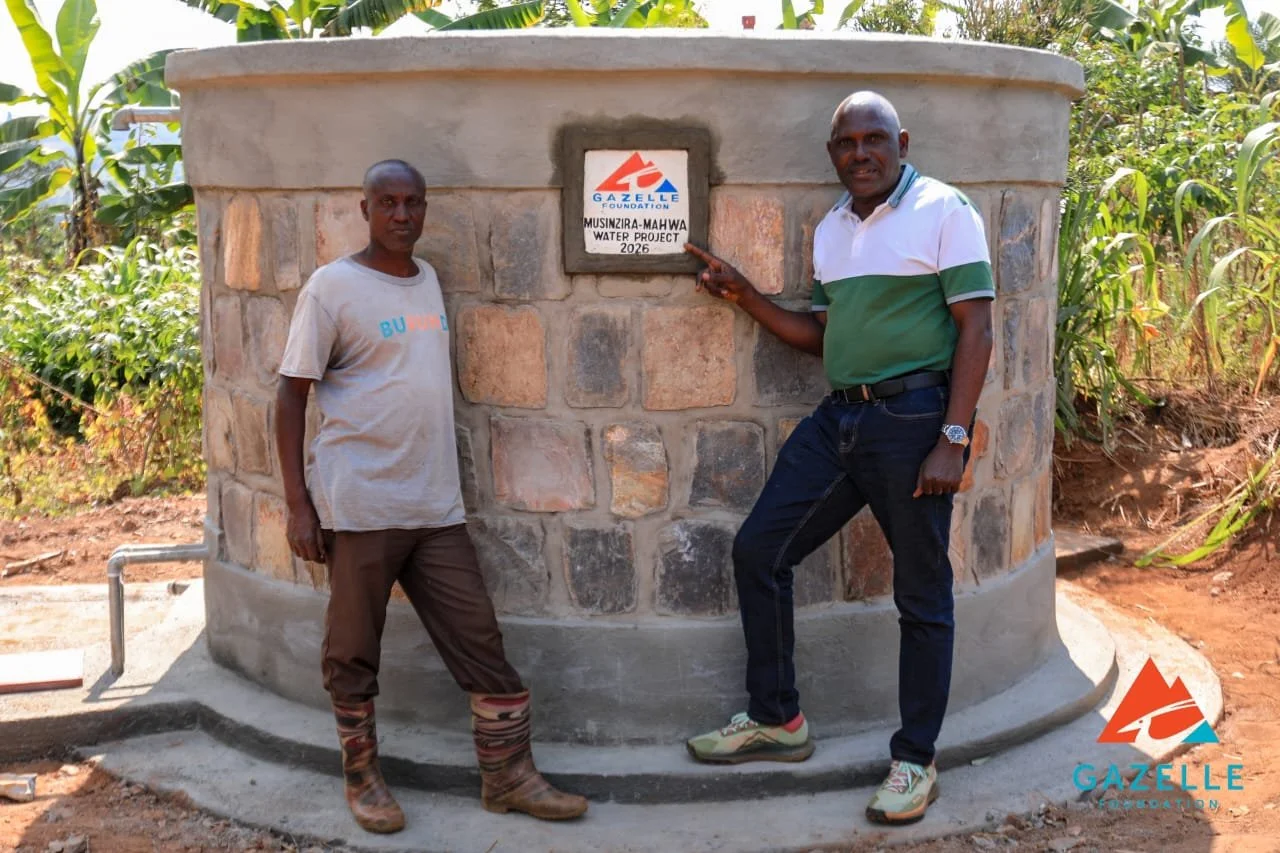
Jean Bosco (right) stands in front of a completed water storage tank. He and his technical staff work with local residents to give them the skills and know-how to construct and maintain their water system.
What Happens Ahead of Water System Construction?
1. After a community is selected to receive a water system, what happens next? How long does the community prepare before construction starts?
Once a community is selected, the journey toward clean water begins immediately. We activate the supply chain for all necessary materials such as sand, stones, and pipes and mobilize both men and women from the community to help transport these materials to the water source and tank construction sites.
For the community, access to clean water is an urgent need, so there is no time wasted. The preparation phase is typically brief and driven by collective commitment.
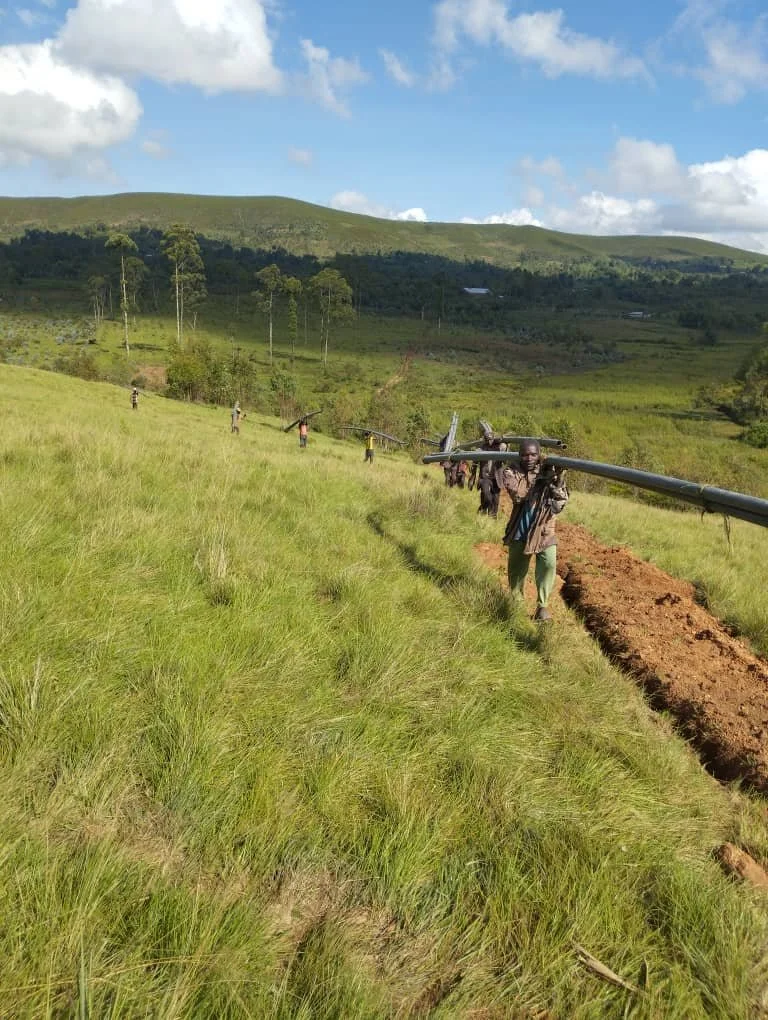
Building water systems across Burundi means digging miles of trenches and often carrying pipe by hand across hills and fields. In 2025 alone, those systems spanned 20 miles.
2. What surprises communities most about the preparation before construction begins?
What surprises them most is the speed with which Gazelle Foundation moves from the initial survey to the actual start of construction. Many communities are amazed by how quickly the project takes shape once the decision is made.
3. How do people learn where to dig trenches, dig sources, mix concrete, connect pipes, etc.?
Since most Burundians are farmers, they are already accustomed to physical labor and hands-on work. This familiarity makes it easier for them to adapt to construction-related tasks. Under the guidance of our technical team, they quickly learn the specific skills required, including trenching, pipe connection, and concrete mixing.
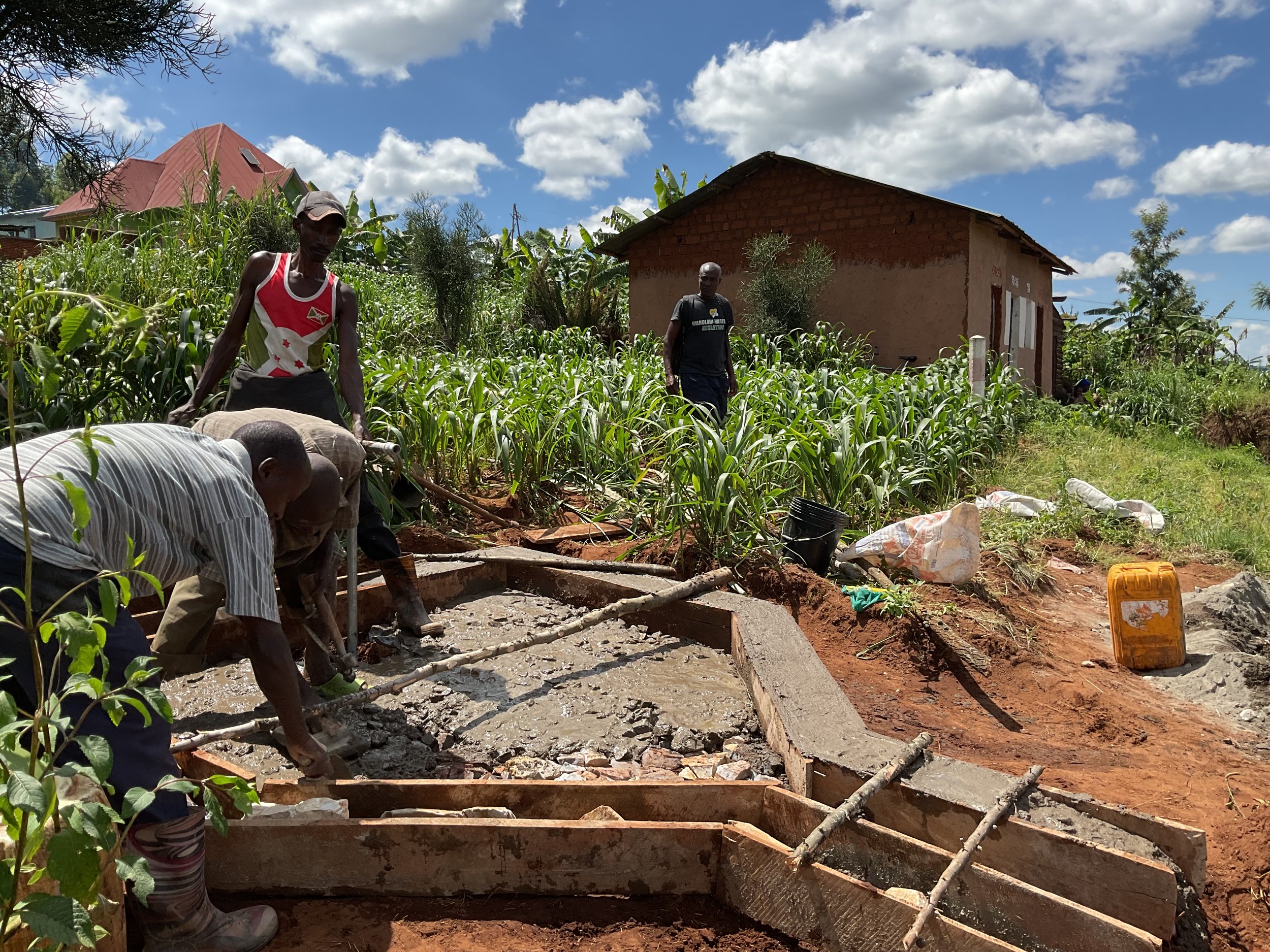
Local residents are hired to construct the water systems. They learn how to work with concrete, connect water distribution pipes long distances, set up the water taps, and maintain water storage tanks.
4. How do you prepare the community to operate and maintain the water system?
Before handing over the system to the local administration, we appoint one man and one woman responsible for each water tap stand. They participate in a dedicated seminar where they receive training on system maintenance and troubleshooting. Additionally, each community has access to a qualified plumber who can assist with more complex technical issues.
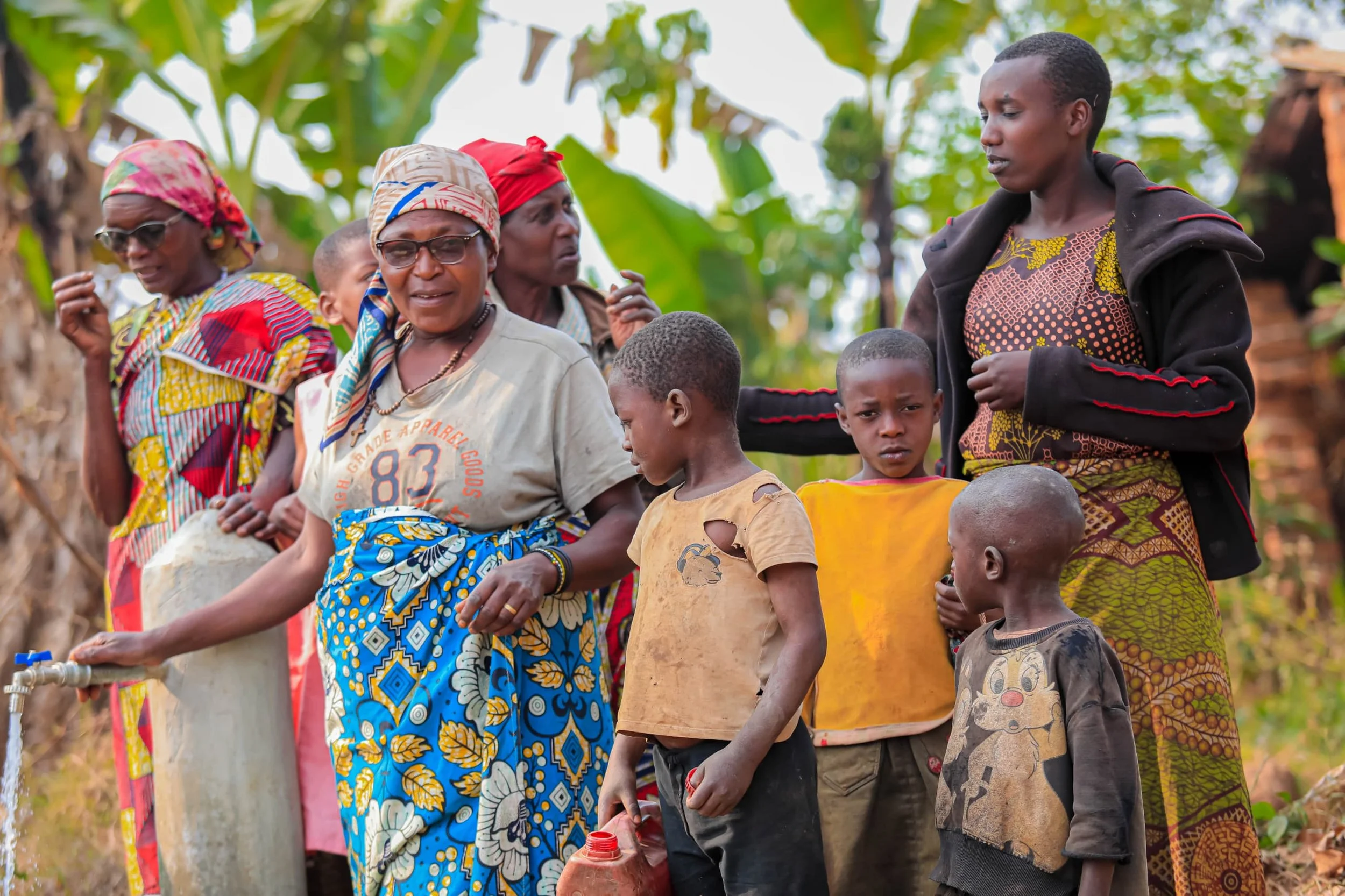
From the start, each community agrees to take responsibility for the water system once construction is complete. Local representatives are selected and trained to maintain and protect it, and the system is formally handed over to the community through a signed agreement.
5. What do you wish people understood about building a water system?
I wish everyone understood that every single drop of clean water reaching a community represents countless hours of effort, sacrifice, and financial investment. That is why we emphasize the importance of protecting the system from both people and circumstances that could cause damage. It’s not just infrastructure; it’s a shared responsibility.
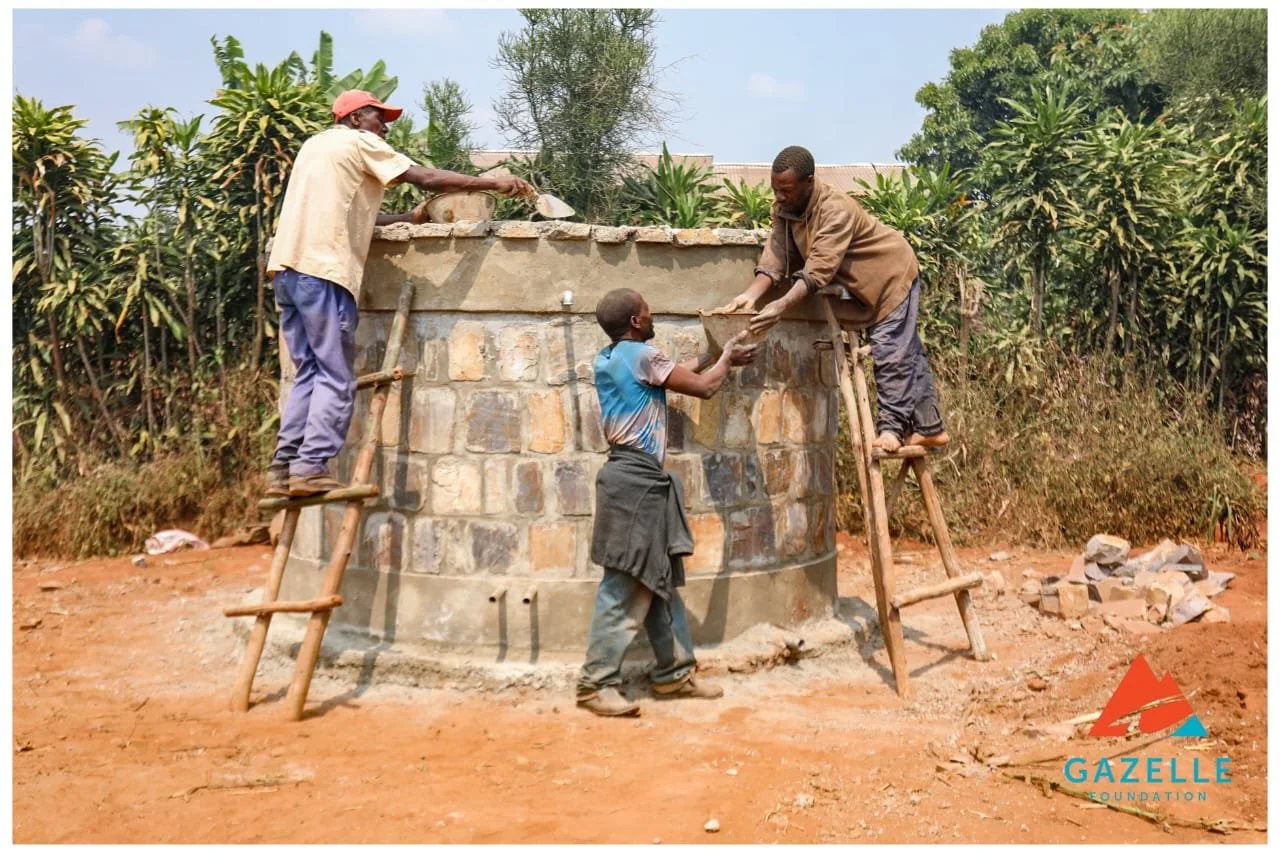
Local residents work together to build a water storage tank with stones quarried locally.
Safeguarding A Valuable Community Resource
Community participation begins long before construction. From the start, residents help build a water system that will serve people throughout the area, regardless of tribal affiliation or religious background. When construction is complete, the system is formally handed over to the community through a signed agreement.
That responsibility is planned for from the beginning. Local representatives are selected and trained in maintenance and troubleshooting, and residents gain firsthand knowledge of the system through construction. Because workers are hired and supplies are purchased locally, the skills and resources needed for future repairs remain close at hand.
That matters in rural Burundi, where electricity and WiFi are limited, roads are often unpaved, and rainy seasons can make travel difficult. Our gravity-powered, spring-fed systems are engineered around the natural hydrology of southwestern Burundi. The result is infrastructure that can operate without electricity and be maintained locally for the long term.
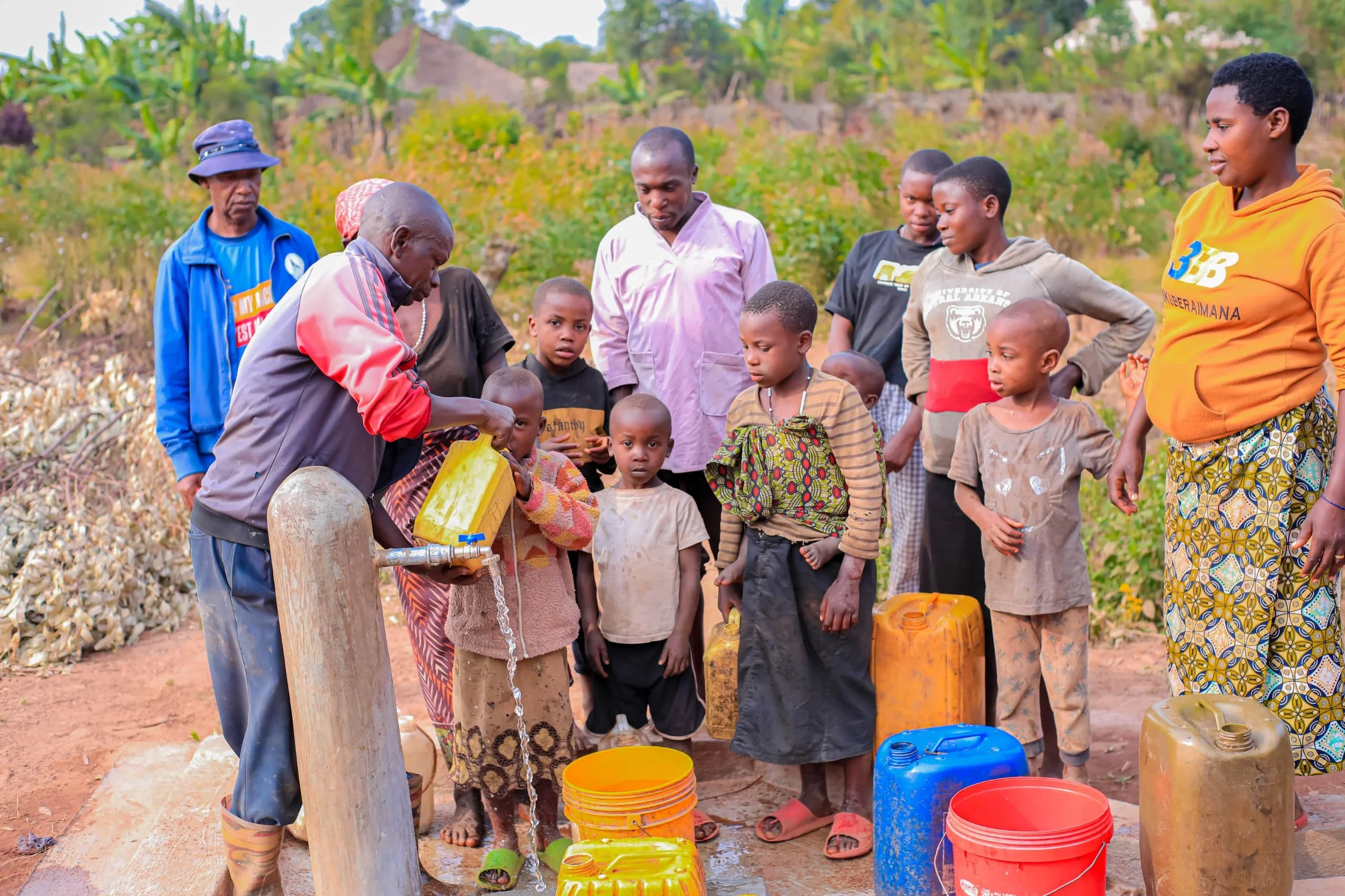
This water tap stand is located where many people can easily access it, shortening their walk to fetch water.
What Access to Clean Water Means in Burundi
The need for clean water remains enormous. According to the WHO/UNICEF Joint Monitoring Programme in 2024, only 62% of rural Burundians (about 7.3 million people) have basic access to drinking water. They define basic access to clean water as “drinking water from an improved source, provided collection time is not more than 30 minutes for a round trip including queuing.”
The sustainable water systems we build transform lives in many ways.
Clean water improves health, reducing exposure to waterborne illness and improving sanitation.
Water system construction provides economic opportunity for local residents and stimulates the local economy from the purchases of supplies.
Close access to clean water makes it possible for children to spend more time on schoolwork.
Shortening the distance to water means women and children are safer, closer to home, and not walking treacherous paths.
Reliable, clean water systems built in partnership with communities give residents the tools to make their community more resilient.
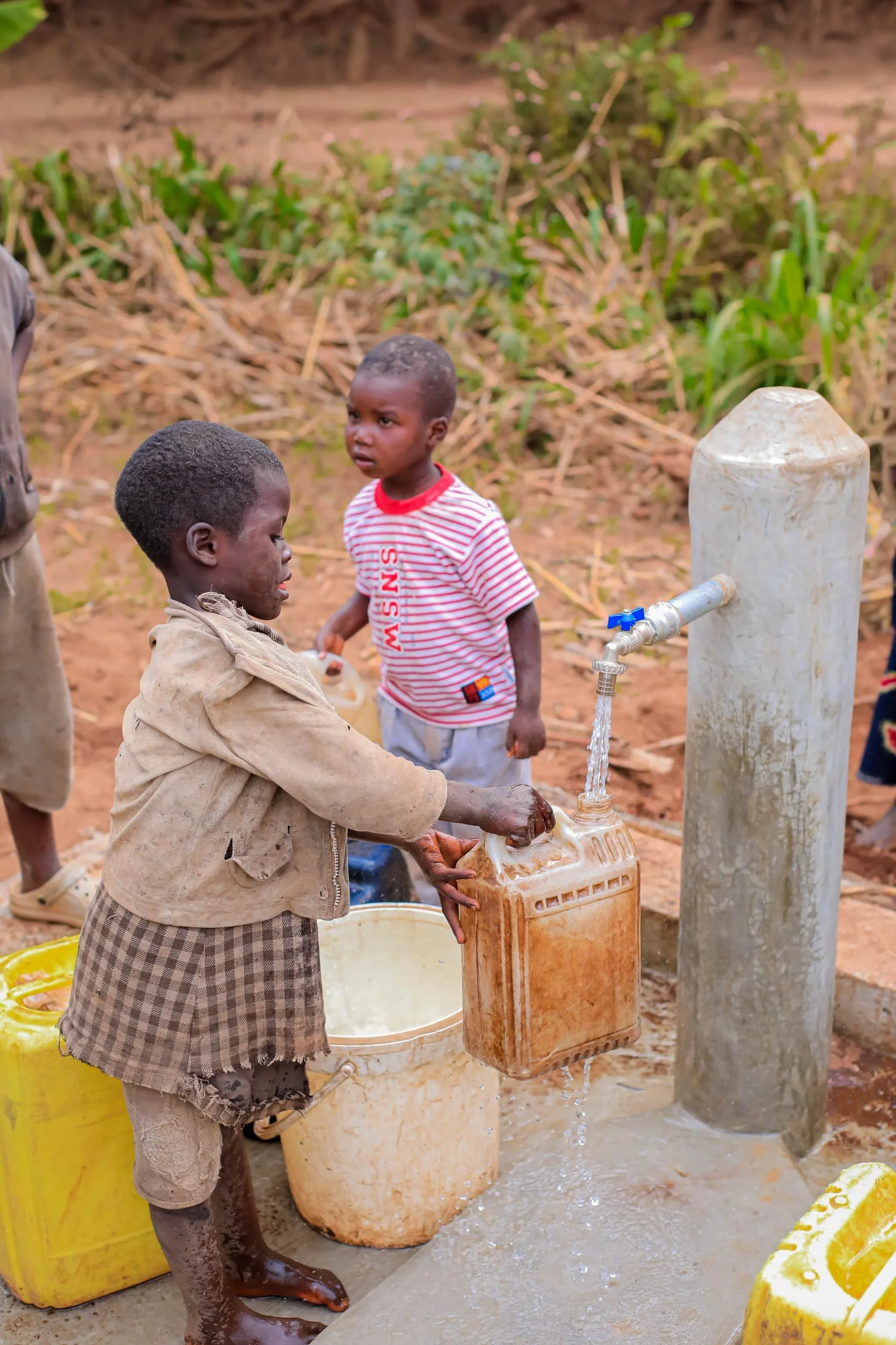
Women and children fetch water for cooking, drinking, and cleaning. A water system reduces the walk to water from 4 miles to a quarter-mile on average.
Learn More About Our Work in Burundi
A majority of Burundians make their living through farming and animal husbandry. Close-knit families reside on parcels of land, which have been passed down for generations.
Explore our interactive GPS map to see where our water systems are located. Zoom in to see the farmsteads, homes, churches, and schools they serve.
Dig into our 7-step process to build a water system along with photos.
See what residents say about how having easy access to clean water transforms their lives.
Get Involved
Inspired by our Co-Founder Gilbert Tuhabonye, the Gazelle Foundation was created to bring hope, health, and opportunity to Burundi by way of clean water. As Gilbert frequently reminds us:
“Everyone deserves clean water.”
Join our community that invests in sustainable, clean water infrastructure in partnership with Burundian communities. Find ways to get involved—from volunteering to participating in our signature events: Run For The Water, Spring For The Water, and subscribing to our newsletter.
All the donations we receive are thoughtfully applied to water system construction and are tax-deductible.
The Gazelle Foundation is a registered 501(c)(3) non-profit organization.
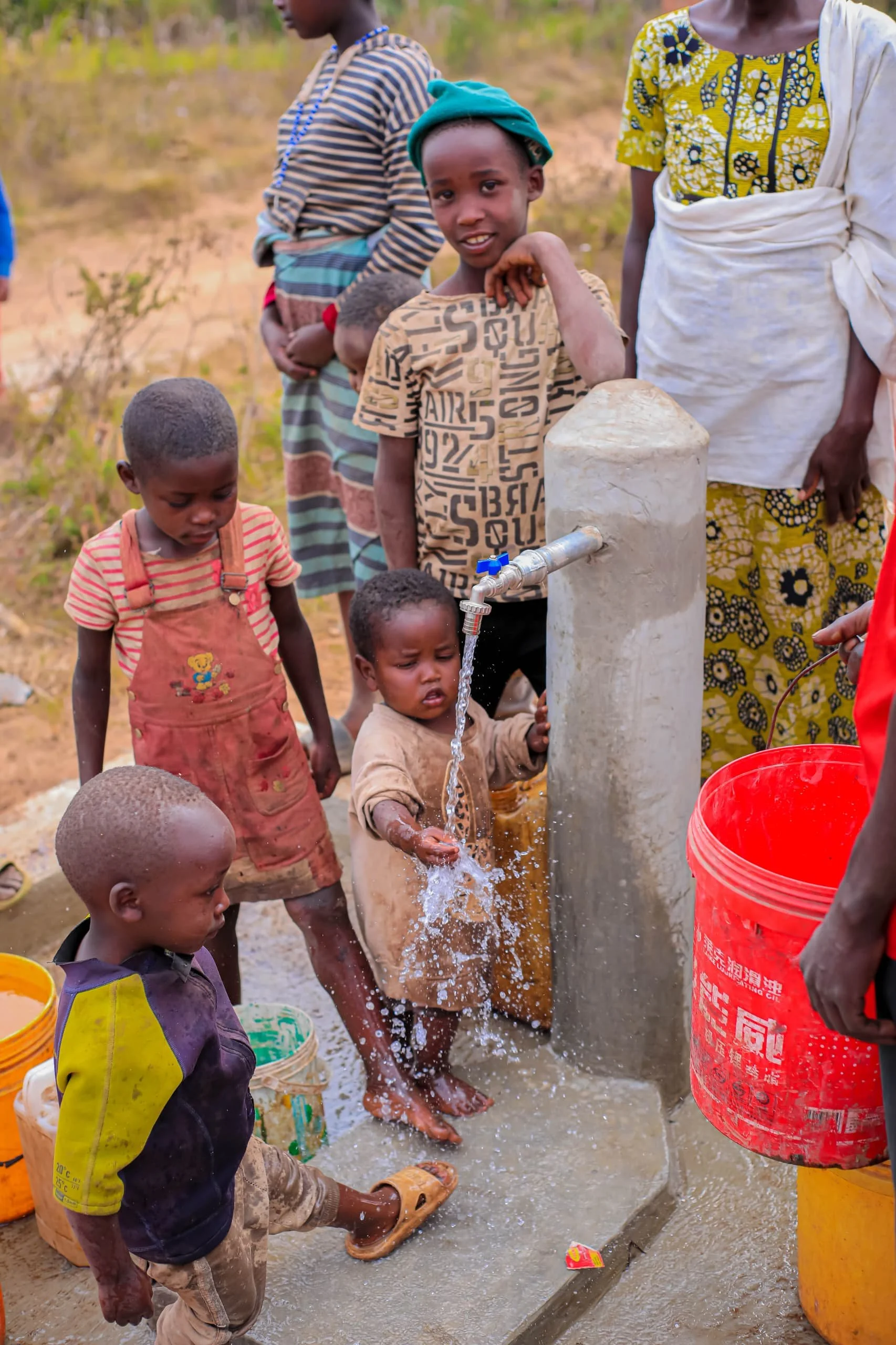
Women and children are charged with the majority of water fetching duties. Even small children fetch water.